In pursuing optimal fitness, it is essential to align our exercise routines with how our bodies are naturally meant to move. This principle extends to the equipment we use during workouts. Weightlifting machines, which gained popularity in the 1970s, have long dominated fitness centers. However, as our understanding of human biomechanics evolves, it becomes evident that these machines often force us into unnatural movement patterns, leading to an increased risk of injury and limited functional gains. In contrast, free weights offer a safer, more effective, and versatile alternative that promotes increased flexibility and muscle mass. In this updated blog post, we will delve into the drawbacks of weightlifting machines and highlight the numerous benefits of incorporating free weights into your workout routine, supported by relevant references.
The Limitations of Weightlifting Machines:
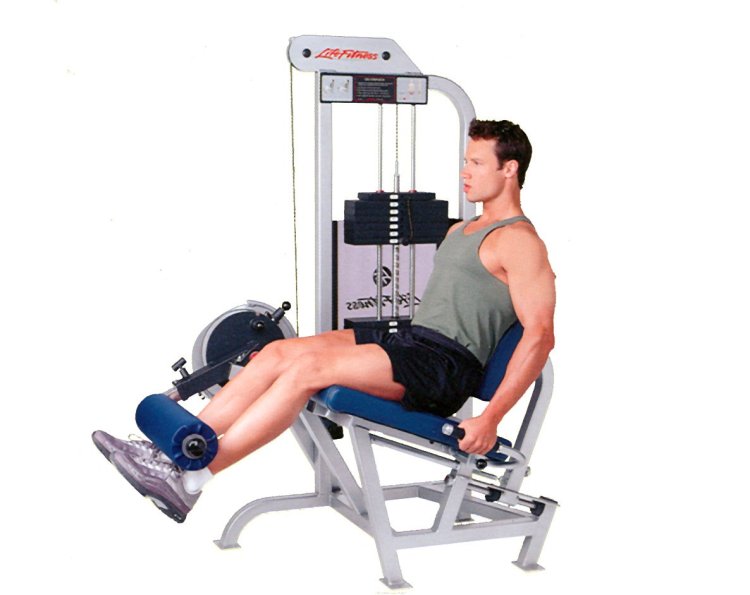
Weightlifting machines emerged to democratize fitness, making weightlifting and strength training more accessible to the average individual. However, their design and isolated movement patterns fall short of replicating natural human motion. Here’s why:
1. Unnatural Movement Patterns: Machines often isolate individual muscles or joints, forcing them to bear the brunt of the load while neglecting the interconnectedness of the body’s kinetic chain. This deviation from natural movement mechanics can lead to muscular imbalances, joint strain, and compromised functional abilities.
2. Reduced Stabilization Engagement: Machines provide artificial stabilization, eliminating the need for your muscles to actively stabilize the load. This diminished engagement of stabilizing muscles not only limits the effectiveness of the exercise but also hinders the development of functional strength and stability.
3. Limited Range of Motion: Machines often restrict the range of motion, preventing the body from moving through its full natural range. This limitation can impede muscle development, decrease joint mobility, and hinder overall flexibility.
4. Lack of Functional Transference: Everyday activities and sports require movement in multiple planes and involve complex interactions between various muscle groups. However, machine-based exercises rarely mimic these real-life movements, limiting their transferability to practical activities.
Harnessing the Power of Free Weights:
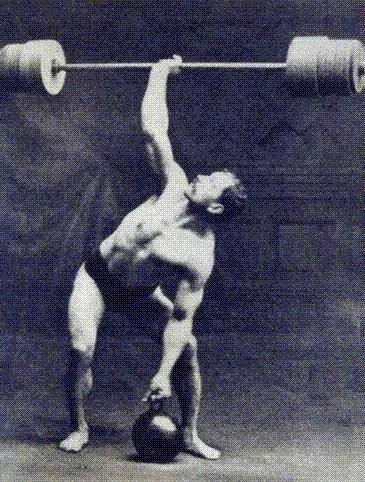
1. Natural Movement Patterns: Free weights, such as dumbbells, barbells, and kettlebells, allow for a more natural range of motion, enabling the body to move as it was designed to. They simultaneously engage multiple muscles and joints, promoting greater functional strength and coordination.
2. Stabilization and Core Engagement: When using free weights, your body must stabilize muscles to maintain proper form and balance throughout the exercise. This activation improves core strength, postural stability, and overall functional fitness.
3. Versatility and Progressive Overload: Free weights offer a wide range of exercises that can target multiple muscle groups simultaneously. They allow for more variations, enabling you to adapt and progress your workouts. By gradually increasing the weight lifted, you can achieve progressive overload, a fundamental principle for building strength and muscle mass.
4. Enhanced Joint and Bone Health: Weight-bearing exercises with free weights load your bones, stimulating bone remodeling and strengthening. This is crucial for individuals of all ages, particularly the elderly, as it helps combat the loss of bone density and reduces the risk of fractures.
Numerous studies and fitness professionals endorse the effectiveness of free weights. Research published in the Journal of Strength and Conditioning Research found that free-weight exercises engage more muscles and activate core stabilizers than machine-based exercises (Waters et al., 2017). Additionally, strength and conditioning coaches, including those working with college and professional athletes, emphasize the importance of free weights for functional strength and injury prevention.
By embracing free weights in your workout routine, you can tap into your body’s innate strength and functionality. Unlike weightlifting machines that impose unnatural movement patterns and limitations, free weights offer a more holistic and practical approach to strength training. Not only do they promote increased flexibility, muscle mass, and bone health, but they also enable your body to move and function as nature intended. Embrace the primal wisdom within you and unleash your natural strength with free weights as your steadfast training companions.
Reference: Waters, R., Hislop, J., Thomas, A., & Delextrat, A. (2017). Comparison of the electromyographical activity of upper and lower limb muscles during exercises performed on the Pilates reformer and the Freeform board. Journal of Strength and Conditioning Research, 31(7), 1904-1914.
 Author Site